You Never See the Sun Where It Actually Is — Only Where It Was 8 Minutes Ago
Light takes time to travel, so every glance into space is a glance into the past. The night sky shows stars as they were years, even millennia, ago.
Today’s hidden fact · Sunday, August 9, 2026
Voyager 1 is over 24 billion km away, so far its radio signal takes 22+ hours to arrive, sent by a transmitter weaker than a refrigerator bulb.
A football-field-sized lab, falling around Earth at 8 km every second.
ISS Oleg Kononenko · Nikolai Chub · Tracy Caldwell Dyson · Matthew Dominick · Michael Barratt · Jeanette Epps · Alexander Grebenkin · Butch Wilmore · Sunita Williams
Tiangong Li Guangsu · Li Cong · Ye Guangfu
2018 GS1

NASA Science
Is our universe haunted? It might look that way on this dark matter map. The gravity of unseen dark matter is the leading explanation for why galaxies rotate so fast, why galaxies orbit clusters so fast, why gravitational lenses so strongly deflect light, and …

Falcon 9 Block 5 | Starlink Group 15-16
Falcon 9 Block 5 | Starlink Group 15-18
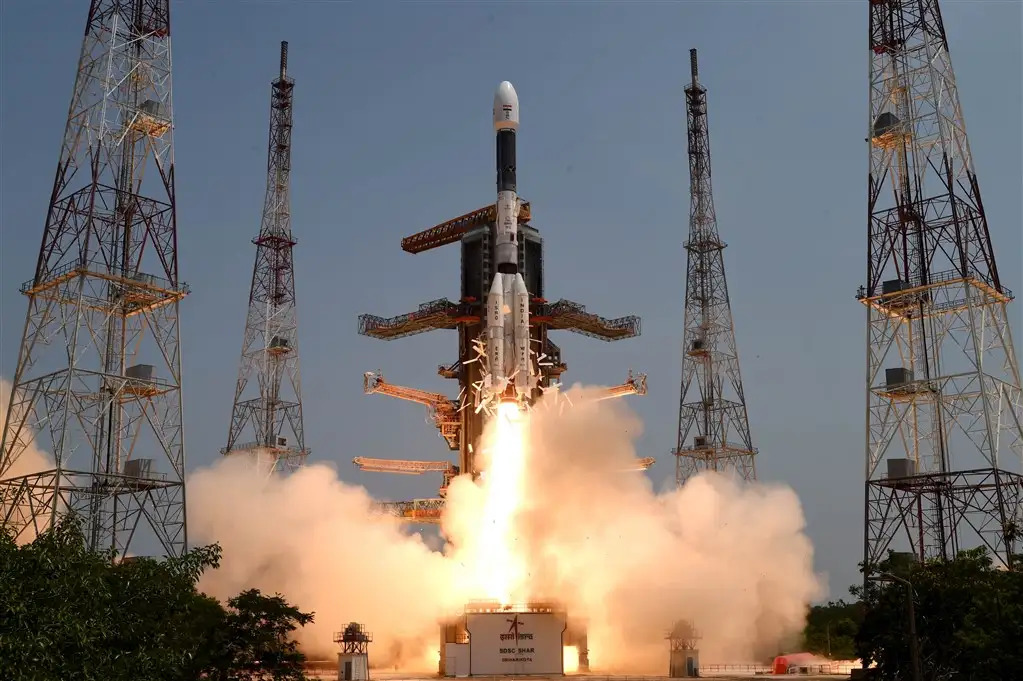
GSLV Mk II | IRNSS-1L (NVS-03)
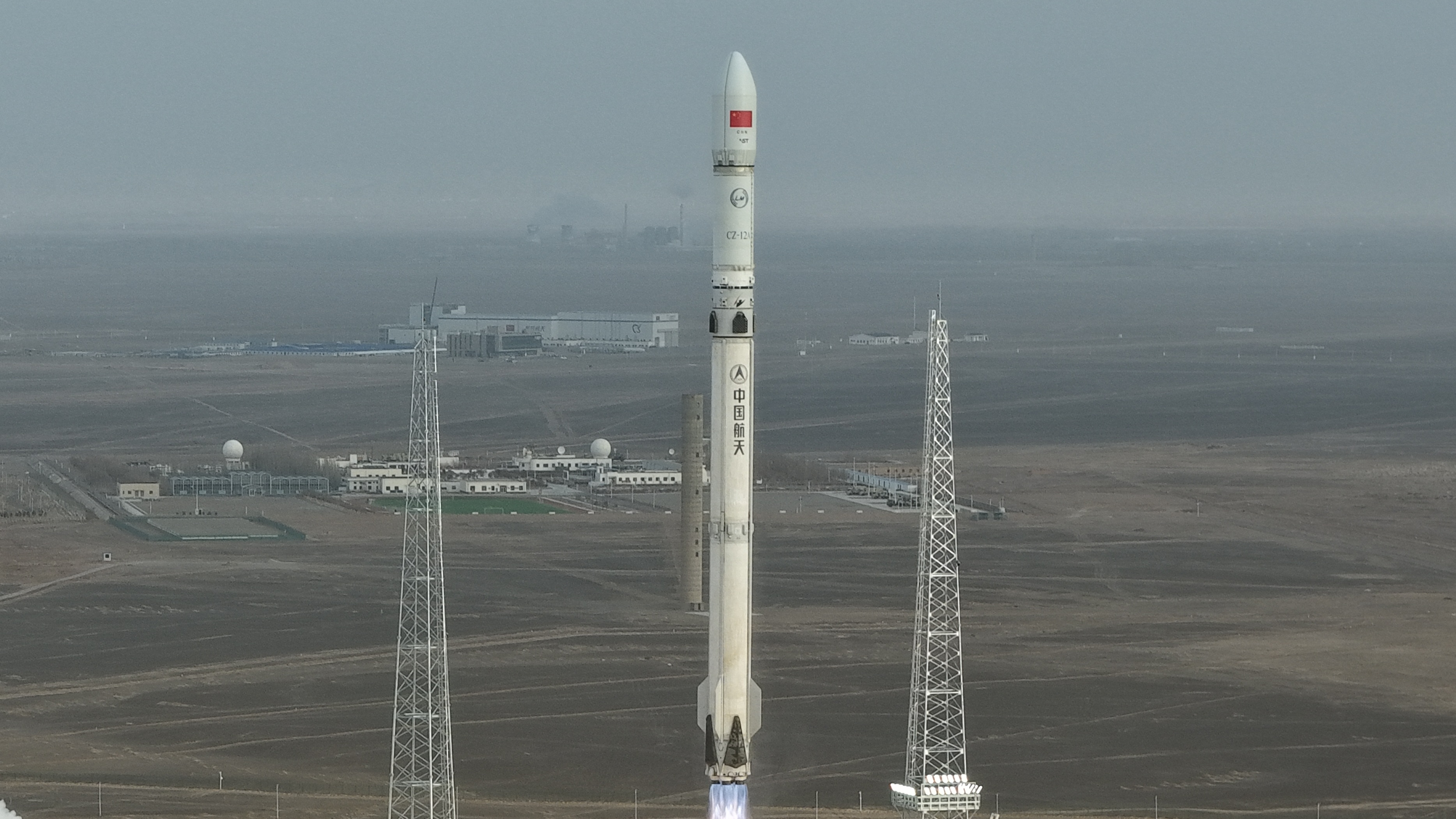
Long March 12A | Flight 2
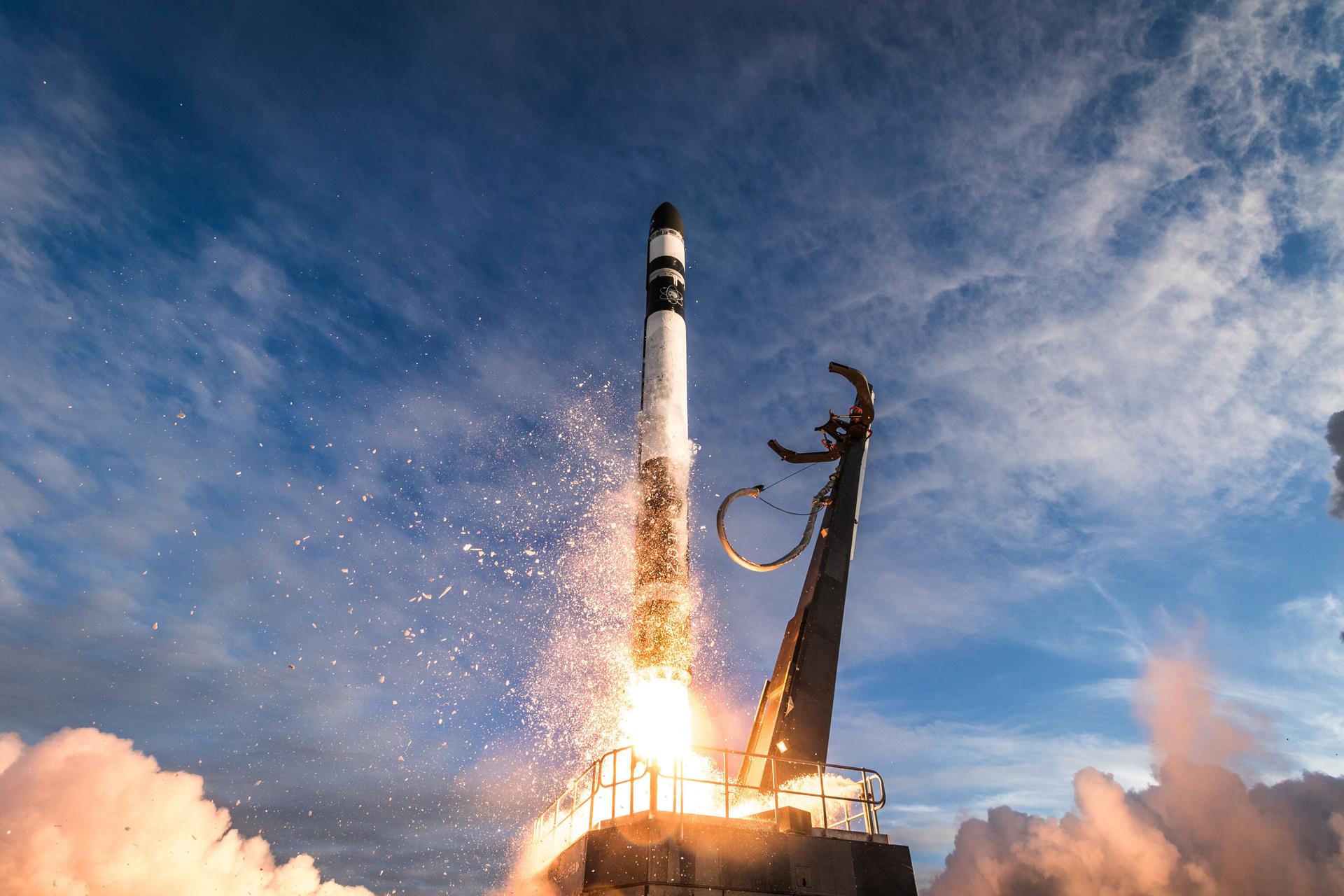
Electron | The Sea God Surveys (iQPS Launch 9)
Falcon 9 Block 5 | Starlink Group 15-21
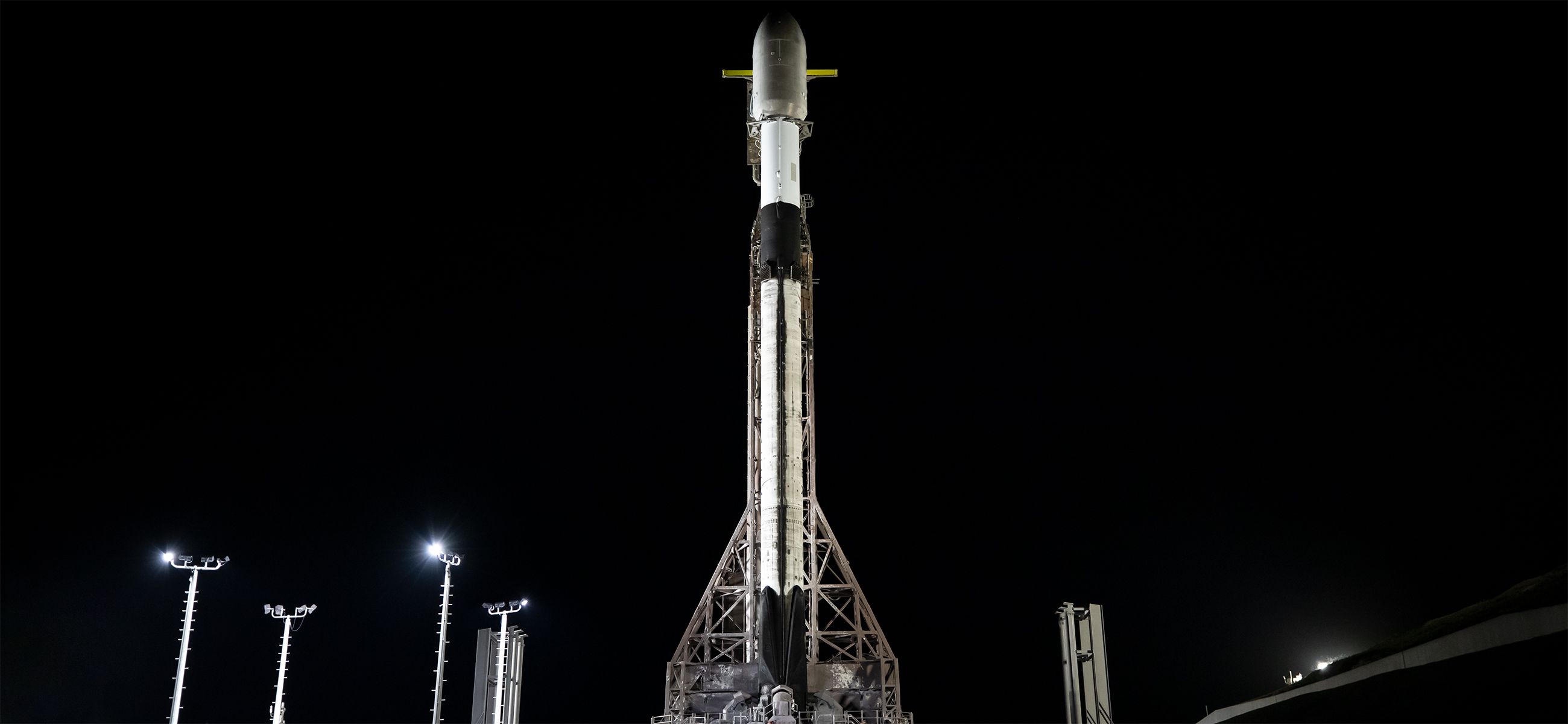
Falcon 9 Block 5 | NROL-195
Electron | The Mountain God Rises (iQPS Launch 10)
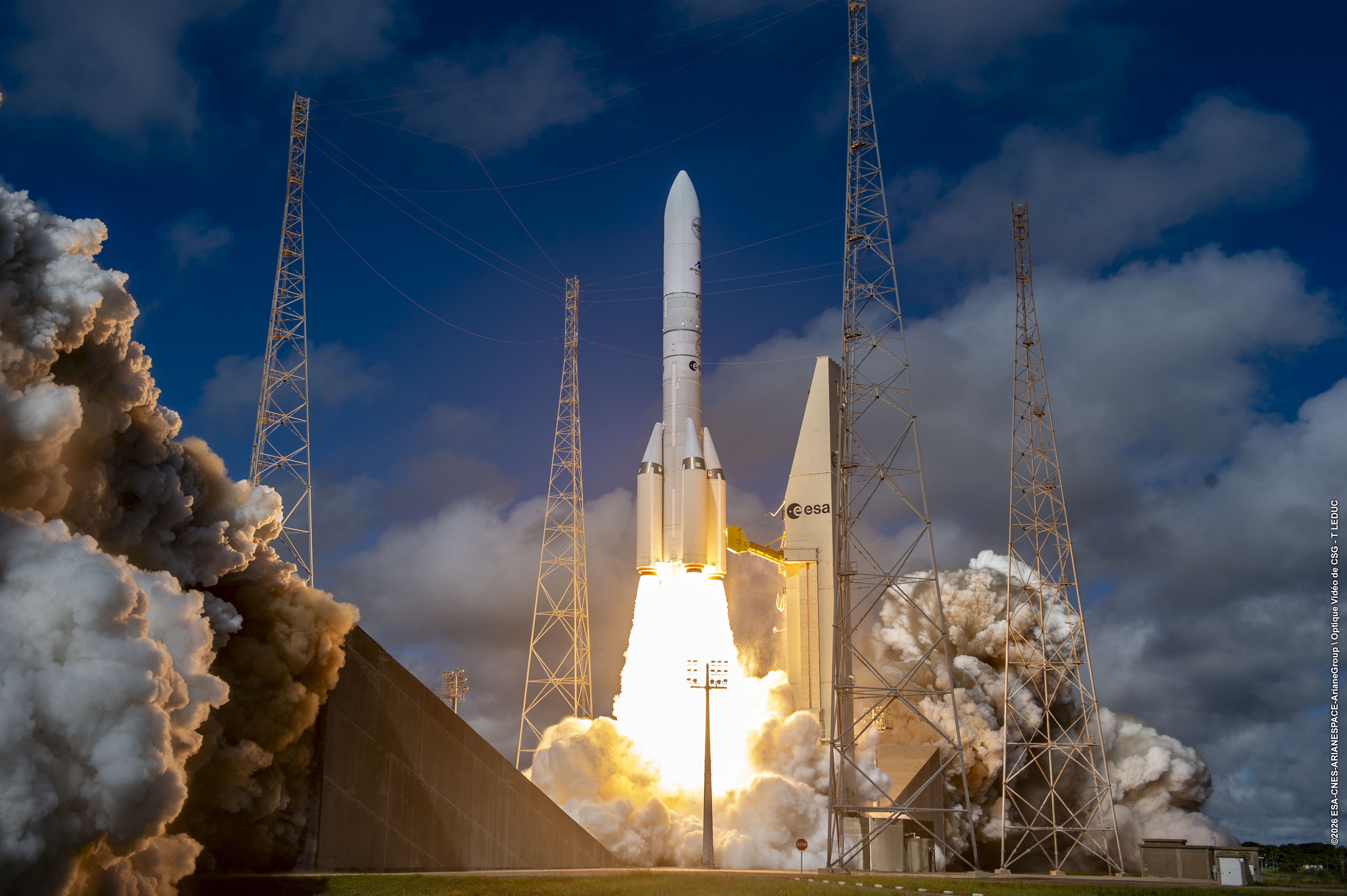
Ariane 64 Block 2 | Amazon Leo (LE-04)
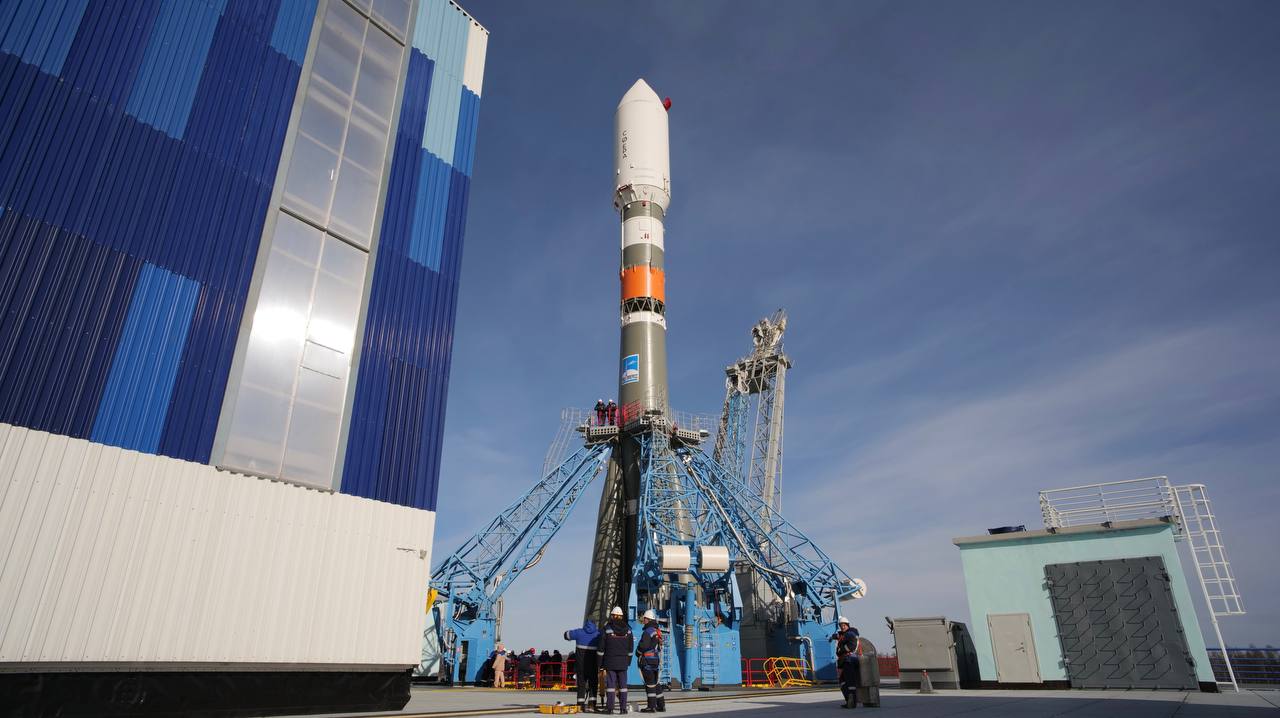
Soyuz 2.1b | Progress MS-36 (97P)
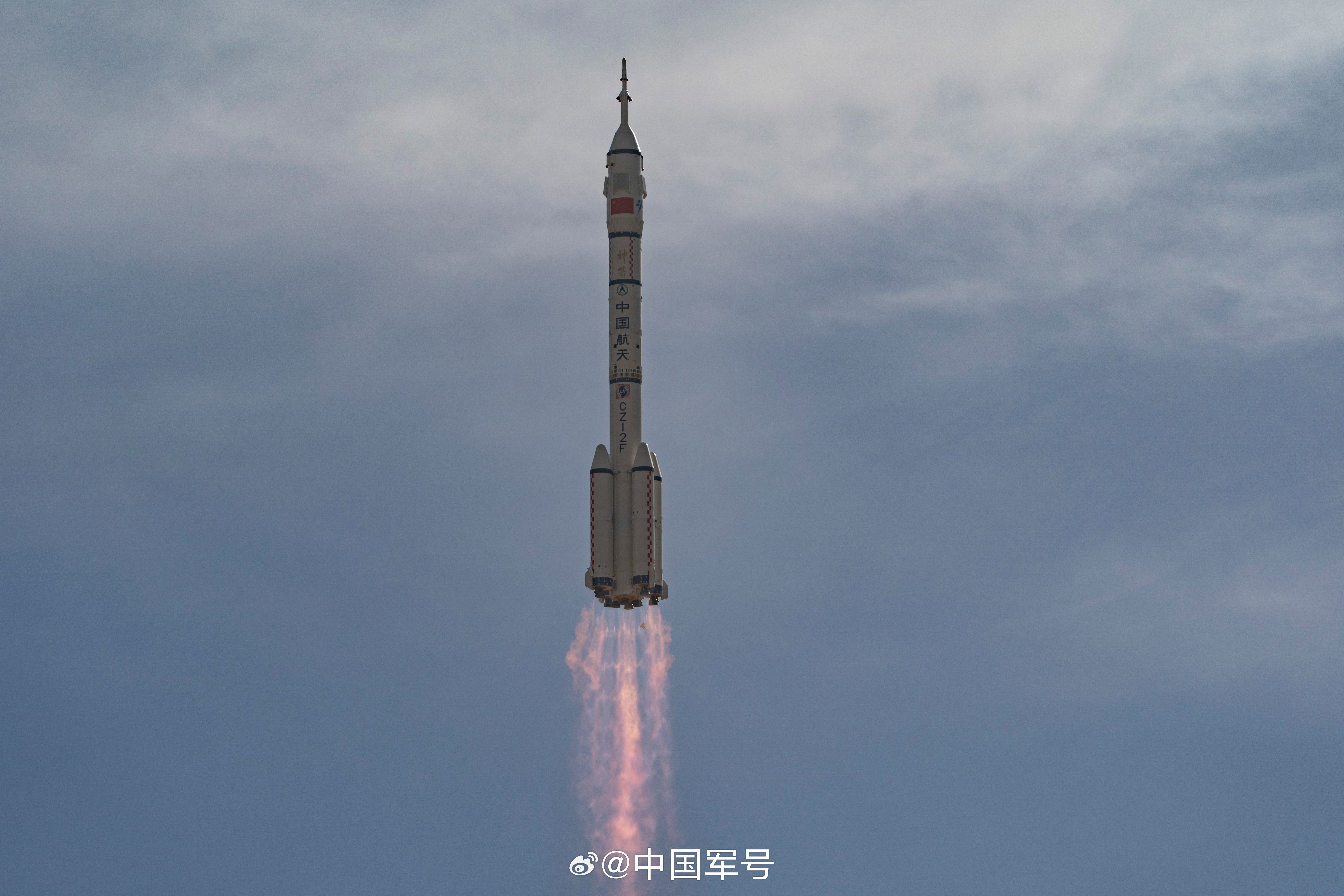
Long March 2F/G | Shenzhou 24
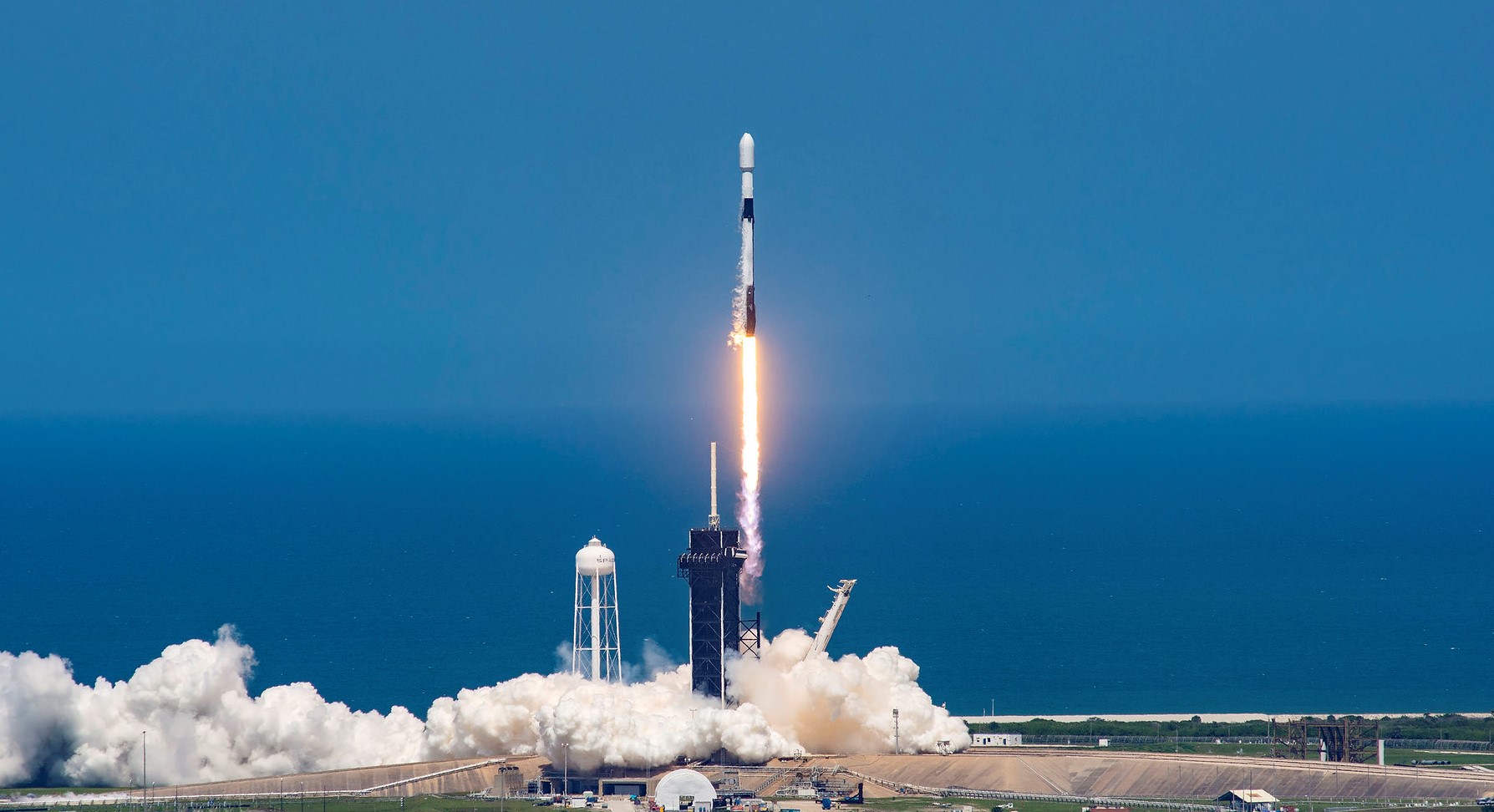
Falcon 9 Block 5 | Cygnus CRS-2 NG-25
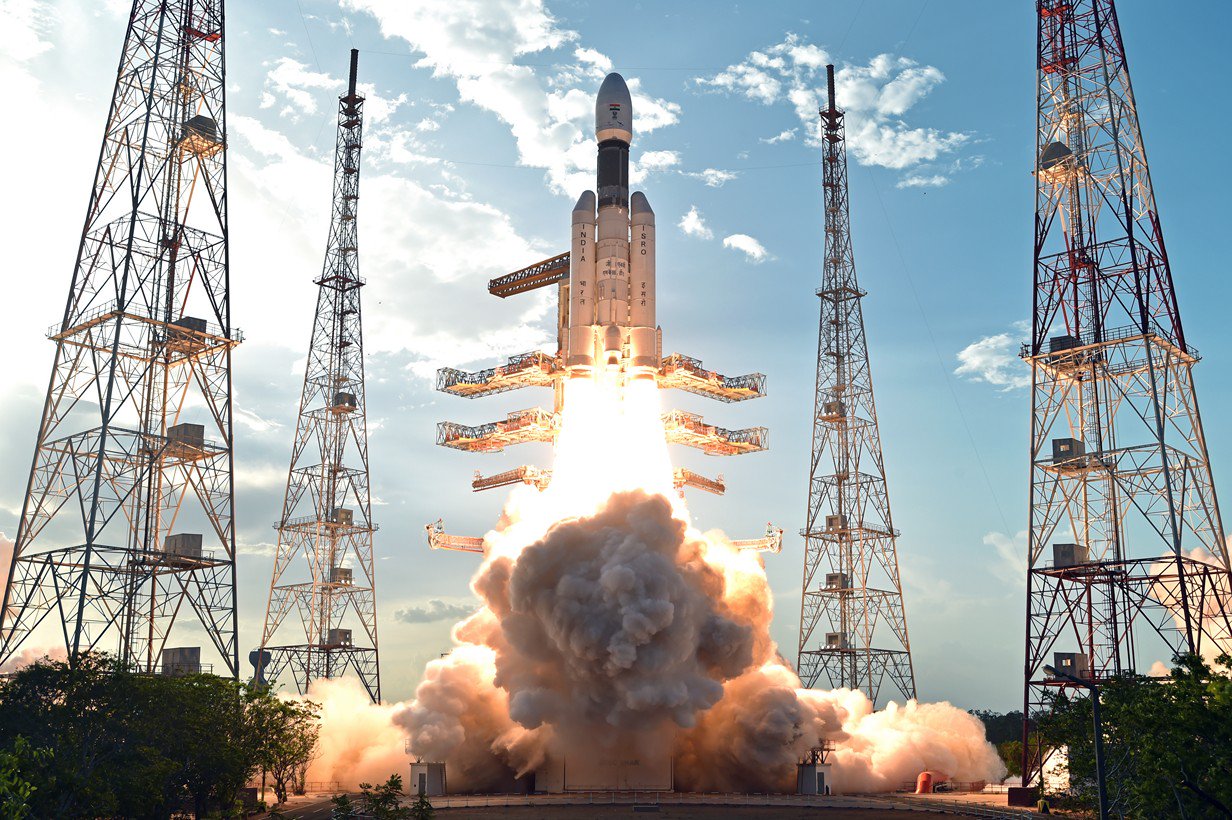
LVM-3 | Gaganyaan-1
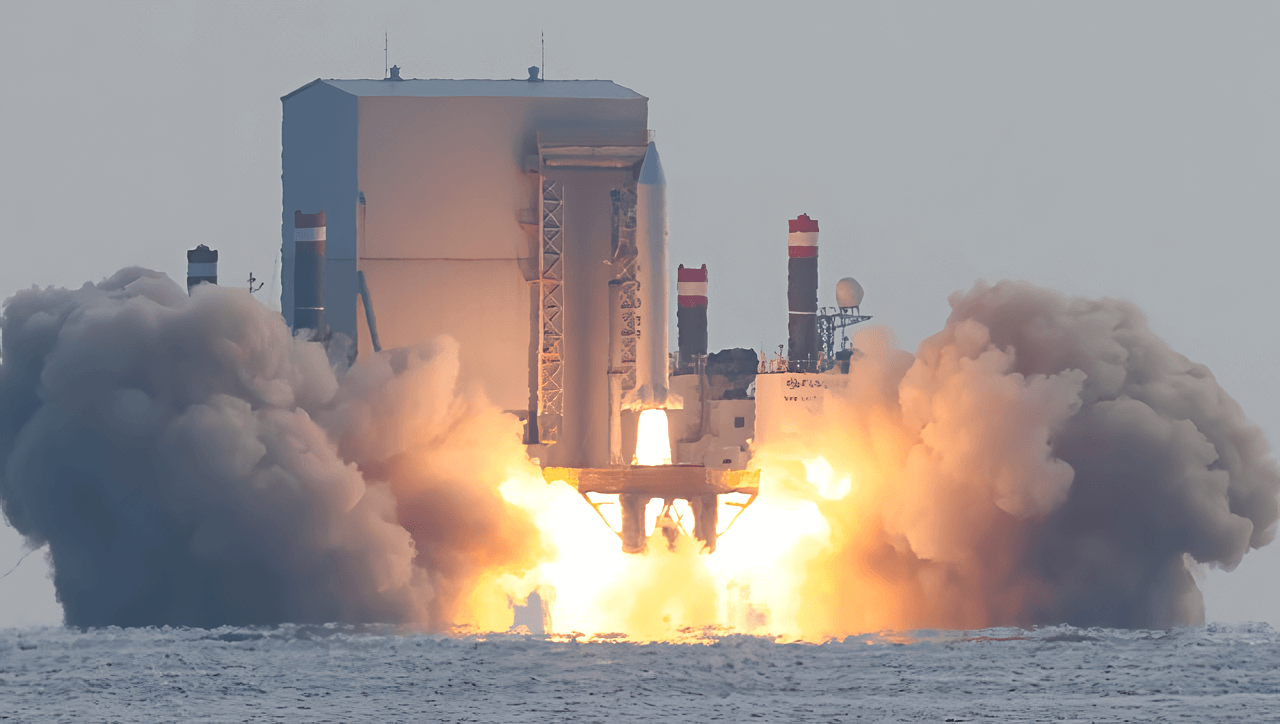
Mir | Demo Flight
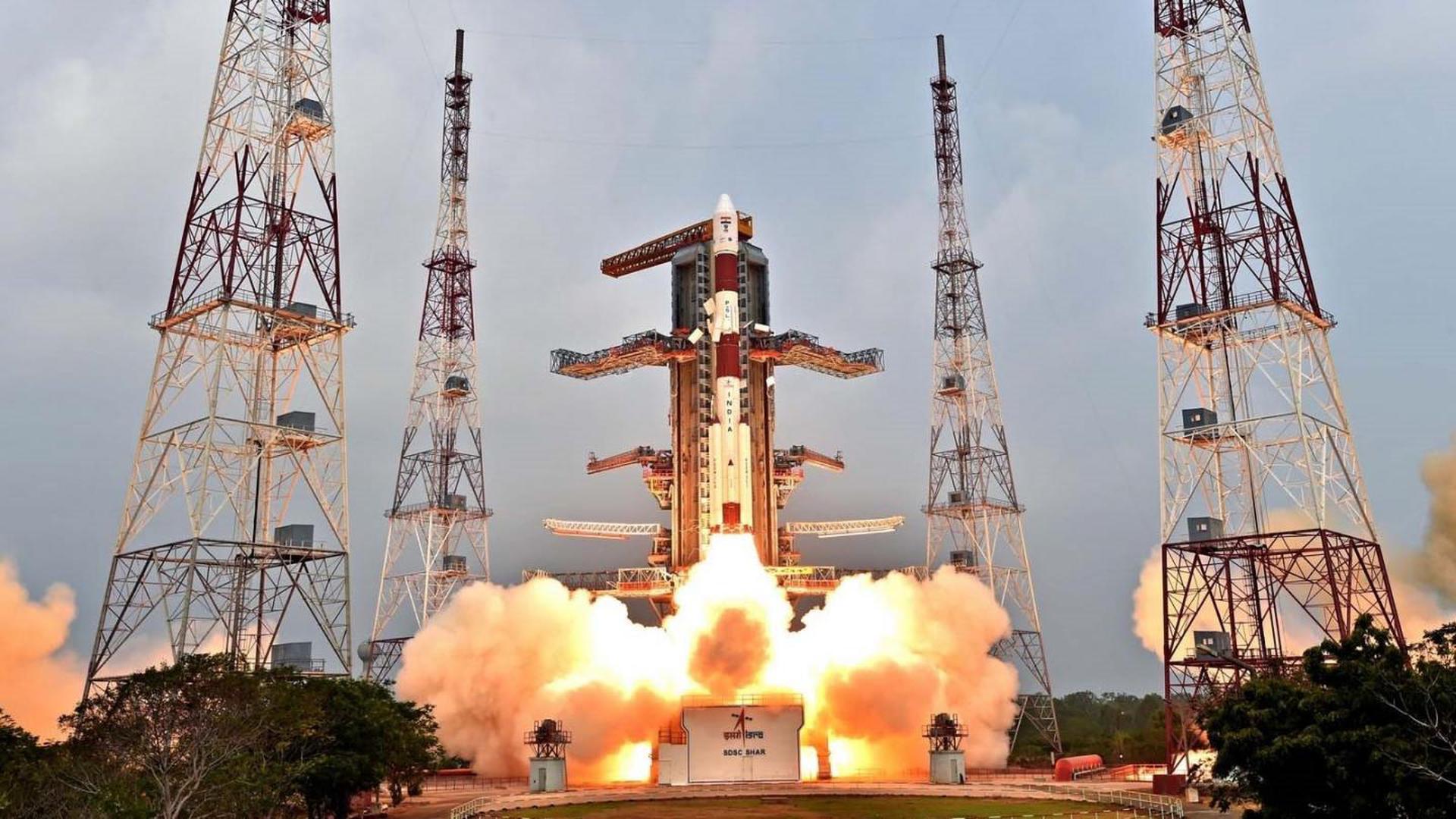
PSLV-XL | TDS-01
2018 GS1
2004 TP1watched by NASA
612856 2004 TP1watched by NASA
2017 UQ7
2015 WZ12
516803 2010 JG88

NASA · yesterday
APOD: 2026 October 24 – Rosetta’s Selfie
APOD Science APOD APOD: 2026 October 24 –… Today’s APOD Archive Submissions Index Search Calendar RSS Education About Discuss APOD Astronomy Picture of the Day Discover the cosmo…

NASASpaceflight · yesterday
NASA Artemis Update: SLS Stacking, Sortie Suit, Dual 2028 Paths
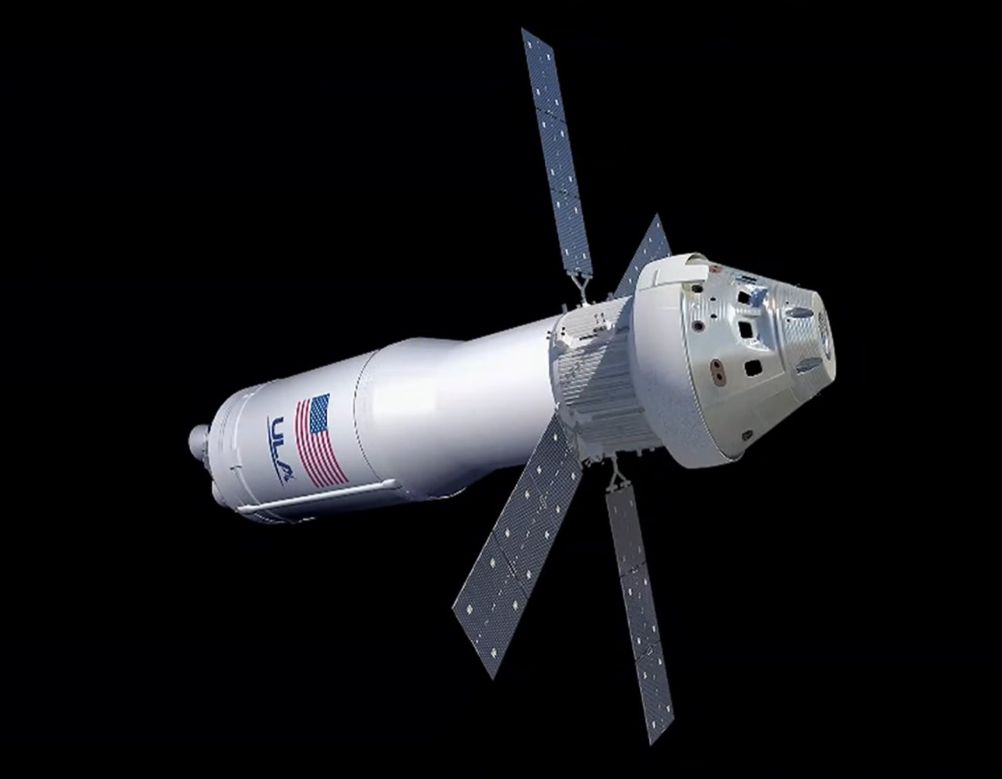
Arstechnica · yesterday
NASA updates lander plans for Moon landings, finally solves long-festering Orion issue
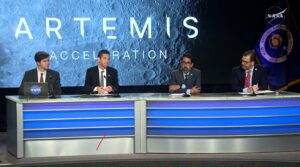
SpacePolicyOnline.com · yesterday
NASA is Full Steam Ahead on Artemis III, IV and V
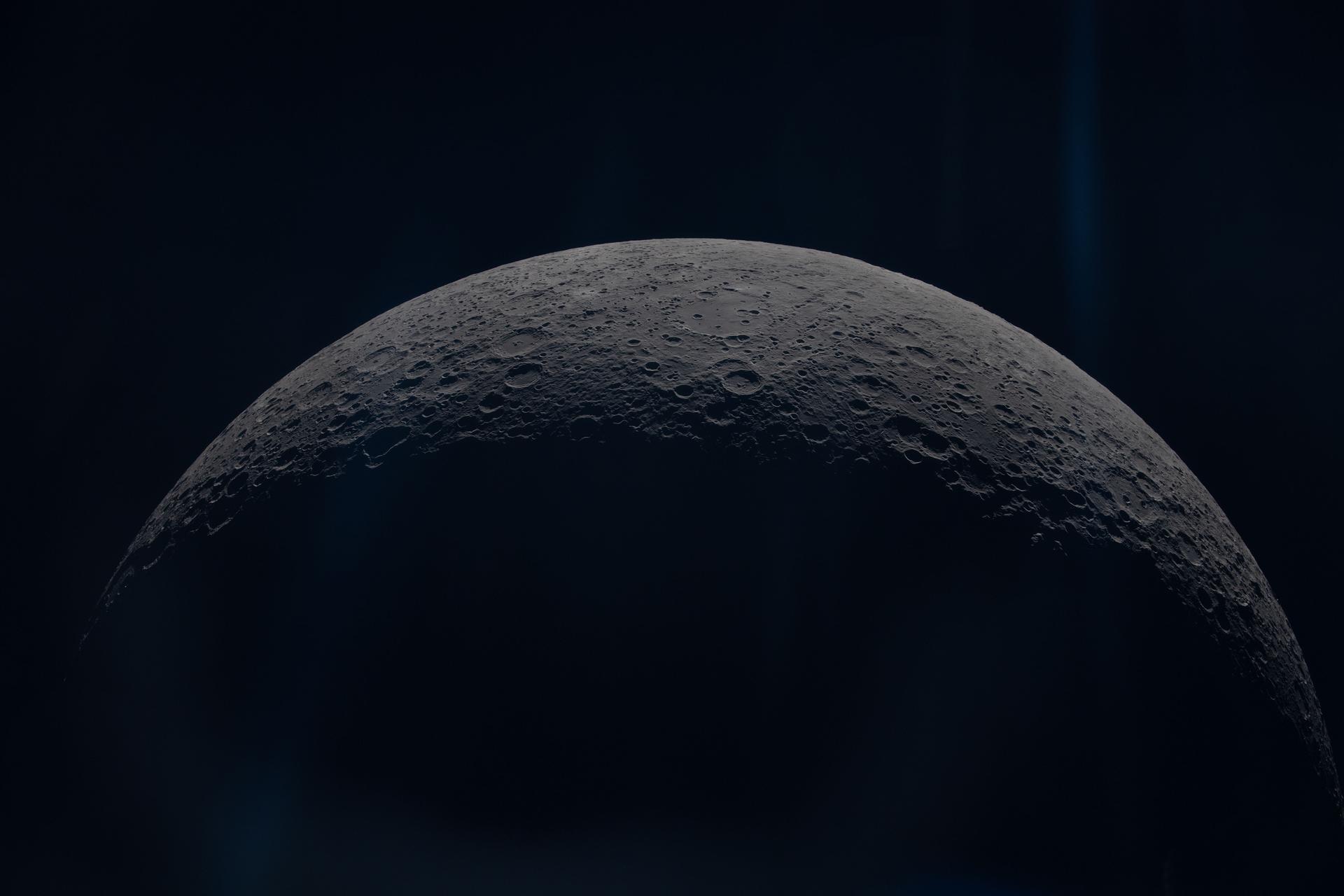
NASA · yesterday
NASA, Partners Accelerate Lander Development for 2028 Moon Missions

NASA · yesterday
NASA’s Artemis III Mission to Test Future Moon Lander Operations
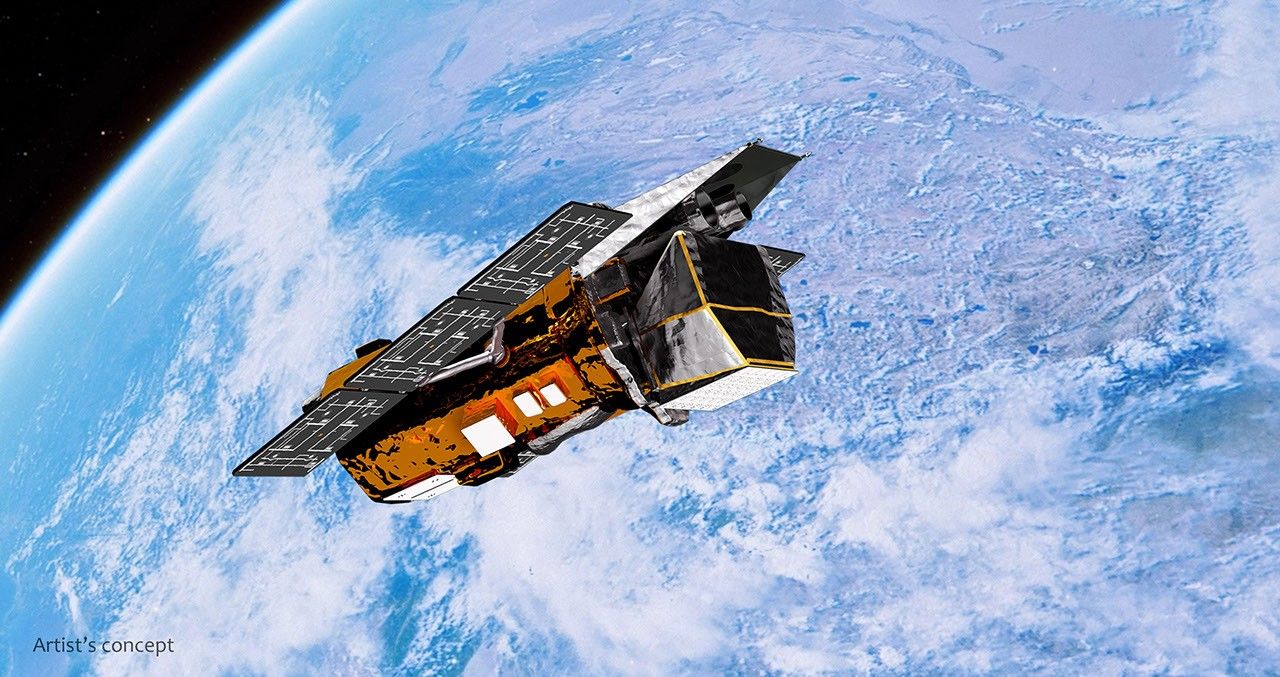
NASA · yesterday
NASA’s Swift Mission Ends, Leaves Behind Scientific Bonanza
Scroll from your rooftop to the edge of the observable universe. Every stop is real.
Begin the voyage →The real solar system, computed from orbital mechanics. Scrub time and watch the maths.
Run the simulation →Five questions, one round a day, same for the whole planet. Build your streak.
Play today's round →Put Earth next to the Sun. Then next to a black hole. Watch your brain give up.
Compare anything →Black hole, light-year, quasar — every space term, explained like a human.
Learn the language →Light takes time to travel, so every glance into space is a glance into the past. The night sky shows stars as they were years, even millennia, ago.
In 2015 we caught two black holes colliding a billion light-years away, wobbling spacetime by less than the width of a proton. Einstein predicted it a century earlier.
The Carrington Event made auroras glow over the tropics and shocked telegraph operators. A repeat today could cripple power grids and satellites worldwide.